The Big Year of African Sounds
If you have ever used the Merlin Bird ID app in the U.S. to identify a bird by its call, you already know the magic—point your phone, press the Sound button, and within seconds you have an answer. This app is particularly exciting right now during spring migration where many of us are waking up to a full avian orchestra with Merlin providing real-time details on each bird member of the chorus right outside our window.
Yet, while 25% of the world’s birds are found in Africa, our fellow birding enthusiasts in Africa have traditionally experienced a very different reality. Their attempts to identify birds with the app often result in “No Sound Data Available“. This is largely due to the fact that in most African countries, fewer than 30% of bird species have the minimal 150 recordings needed to train AI-powered identification tools such as Merlin.
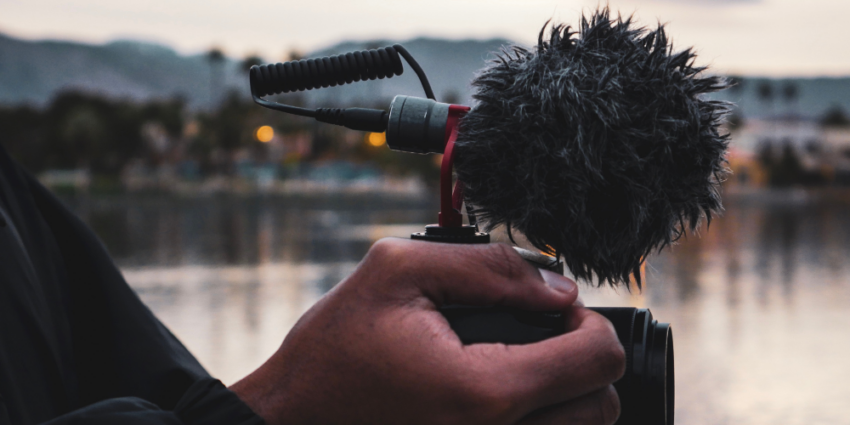
In an effort to close this gap, Cornell Lab of Ornithology has spearheaded the Big Year of African Sounds by partnering with local organizations and citizen scientists to record 1,800 bird species in over 50 countries by the end of 2026. While Cornell recommends equipment such as recorders, directional microphones, and parabolic dishes, one can even get started recording by using a smartphone.
Interestingly, every recording submitted through eBird flows directly into Cornell’s database and is used to train Merlin so that the next birder who holds up their phone in a respective African country has a better chance of getting sound identification results. The Big Year of African Sounds has already had an impact with over 1,200 species recordings logged year-to-date.
Judith Mirembe, one of the top contributors to the Big Year of African Sounds in Uganda (with 102 recordings year-to-date) and who also leads Beija Flor tours in Uganda, shares her on-the-ground experience with the challenges of submitting high-quality recordings, which include: 1. Access to equipment; and 2. The cost of internet connectivity needed to upload submissions.
Beija Flor is in talks with Judith to identify which equipment combinations best meet the current need in order to partner and contribute towards this initiative.
To Listen to Judith’s recording of the
Black-and-white-casqued Hornbill
Click Below
👇️

We are also working closely with Judith to incorporate the Big Year of African Sounds recording activities into our itinerary for Uganda. Imagine knowing that what you heard and recorded on a Beija Flor tour is now permanently part of a global scientific archive and is helping to train the tools that birders across Africa will rely on for years to come.
If that resonates with you, we would love to have you join us in Uganda!
To receive notification about our Uganda tour launch, click below.
👇️